

A Comprehensive Guide to Selecting the Right LED Lighting for Every Space
The Evolution of Lighting Technology in Modern Homes
Lighting technology has advanced significantly, transforming how homes are illuminated and how energy is consumed. Traditional lighting solutions, once widely used, are now being replaced by more efficient and sustainable alternatives. LED lighting has emerged as a leading innovation, offering superior performance, durability, and energy efficiency. Homeowners are increasingly adopting LED solutions to reduce electricity costs while enhancing the quality of light in their living spaces. This shift reflects a broader trend toward environmentally conscious living and smart home upgrades. Understanding the evolution of lighting helps individuals appreciate the value of modern LED solutions and their impact on everyday life.
Why LED Light Bulbs Are the Preferred Choice
LED light bulbs have become the preferred choice for both residential and commercial applications due to their exceptional efficiency and long lifespan. Unlike traditional bulbs that waste energy as heat, LEDs convert most of their energy into light, making them highly efficient. This efficiency results in lower electricity bills and reduced environmental impact. Additionally, LED bulbs are designed to last significantly longer, minimizing the need for frequent replacements. Their durability and resistance to damage make them suitable for a wide range of applications. These advantages highlight why LED lighting is considered a smart investment for modern households.
Key Features to Evaluate When Buying LED Bulbs
Selecting the right LED bulb requires careful consideration of several key features. Brightness, measured in lumens, determines how much light a bulb emits, while wattage indicates energy consumption. Color temperature influences the ambiance of a space, with warmer tones creating a cozy environment and cooler tones enhancing visibility. Dimmability is another important feature for those who prefer adjustable lighting levels. Compatibility with existing fixtures and smart systems is also essential for seamless integration. By evaluating these features, homeowners can choose LED bulbs that meet their specific needs and enhance their living environment.
Types of LED Light Bulbs and Their Applications
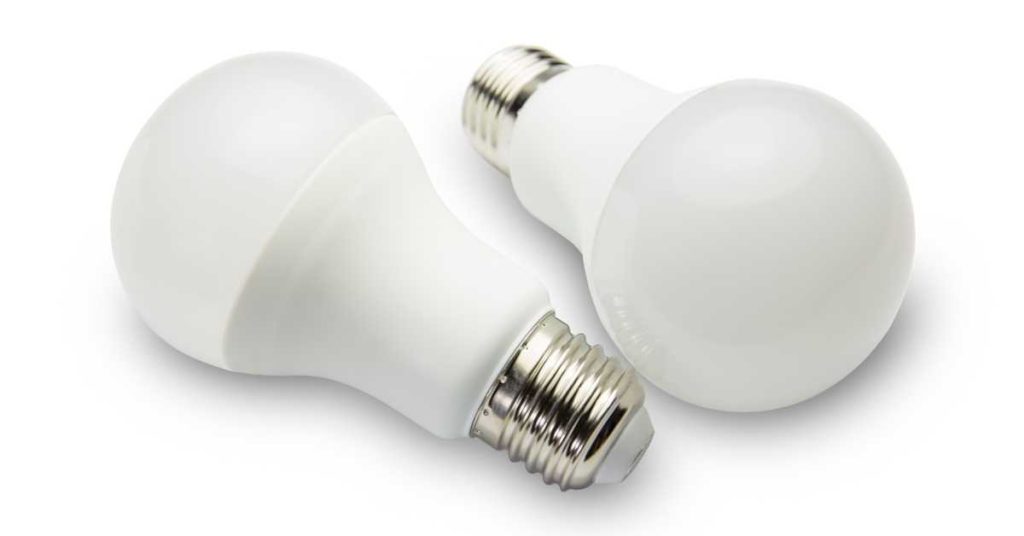
LED light bulbs come in various shapes and designs, each suited for specific purposes. Standard bulbs are commonly used in general lighting, while globe bulbs are ideal for decorative fixtures. Reflector bulbs provide focused illumination for task lighting, and candle-shaped bulbs add elegance to chandeliers. Smart LED bulbs offer advanced features such as remote control and color customization, making them popular in modern homes. Understanding these different types helps homeowners select the most appropriate lighting solutions for each area of their home.
Understanding Lumens and Brightness Levels
Lumens are the standard unit for measuring brightness in LED lighting. Unlike wattage, which indicates energy consumption, lumens provide a direct measure of how much light a bulb produces. Higher lumen values correspond to brighter light, making them suitable for areas that require strong illumination. Lower lumen values are ideal for creating a soft and relaxing ambiance. Understanding lumens allows consumers to select the right brightness level for each room, ensuring optimal lighting without unnecessary energy consumption.
The Role of Color Temperature in Lighting Design
Color temperature plays a crucial role in determining the mood and functionality of a space. Measured in Kelvin, it ranges from warm yellow tones to cool blue hues. Warm light is ideal for bedrooms and living rooms, creating a comfortable and inviting atmosphere. Neutral light works well in kitchens and bathrooms, providing balanced illumination. Cool light is best suited for workspaces and offices, where clarity and focus are essential. Choosing the appropriate color temperature ensures that each room serves its intended purpose effectively.
Advantages of LED Lighting in Residential Spaces
LED lighting offers numerous benefits that make it an ideal choice for modern homes. Its energy efficiency reduces electricity consumption, leading to significant cost savings over time. The long lifespan of LED bulbs minimizes maintenance and replacement costs. Additionally, LEDs are environmentally friendly, as they do not contain harmful substances and produce less waste. Their durability and resistance to damage make them suitable for various applications. These advantages highlight why LED lighting is widely regarded as a reliable and sustainable solution for residential use.
How to Choose the Best LED Light Bulbs for Your Needs
Choosing the right LED bulbs involves understanding individual requirements and matching them with suitable features. Homeowners should consider the purpose of each room, the desired brightness level, and the preferred color temperature. Checking compatibility with existing fixtures ensures smooth installation and operation. For those seeking high-quality options, exploring Best LED Light Bulbs can provide valuable insights into top-performing products. Taking these factors into account helps individuals make informed decisions that enhance both functionality and aesthetics in their homes.
Energy Efficiency and Environmental Impact
LED lighting significantly reduces energy consumption, making it an environmentally friendly choice. By using less electricity, LEDs help decrease the demand for power generation, which in turn reduces greenhouse gas emissions. This contributes to global efforts to combat climate change and promote sustainable living. Additionally, the long lifespan of LED bulbs reduces waste, as fewer bulbs need to be discarded. These environmental benefits make LED lighting an essential component of eco-friendly home design.
Smart LED Lighting and Home Automation
Smart LED lighting has revolutionized the way homeowners interact with their lighting systems. These advanced bulbs can be controlled remotely through mobile applications or voice commands, offering convenience and flexibility. Users can adjust brightness, change color settings, and schedule lighting based on their daily routines. Integration with home automation systems enhances security by enabling automated lighting when residents are away. This level of control and customization makes smart LED lighting an attractive option for modern households.
Comparing LED Bulbs with Traditional Lighting Options
When compared to traditional lighting options, LED bulbs offer superior performance in terms of efficiency, lifespan, and environmental impact. Incandescent bulbs consume more energy and have a shorter lifespan, while fluorescent bulbs contain harmful substances that require careful disposal. LEDs provide consistent brightness, instant illumination, and a wide range of color options. These advantages make them the preferred choice for modern lighting solutions, ensuring optimal performance and sustainability.
Installation Tips for LED Lighting Systems
Proper installation is essential for maximizing the performance and longevity of LED lighting systems. Homeowners should ensure that the bulb base matches the fixture and that the voltage requirements are compatible. Using appropriate dimmers for dimmable LED bulbs prevents flickering and ensures smooth operation. It is also important to follow manufacturer guidelines during installation to avoid potential issues. Proper installation enhances both safety and efficiency, ensuring reliable performance over time.
Maintenance and Longevity of LED Light Bulbs
LED light bulbs require minimal maintenance compared to traditional lighting options. Their long lifespan reduces the need for frequent replacements, saving both time and money. Regular cleaning of fixtures helps maintain optimal brightness and prevents dust buildup. Unlike traditional bulbs, LEDs gradually lose brightness over time rather than failing suddenly, allowing users to plan replacements accordingly. This reliability ensures consistent lighting quality and long-term performance.
Cost Savings Associated with LED Lighting
Although LED bulbs may have a higher initial cost, their long-term savings make them a cost-effective choice. Reduced energy consumption leads to lower electricity bills, while their extended lifespan minimizes replacement costs. Over time, these savings accumulate, making LEDs a financially beneficial investment. Additionally, many regions offer incentives for adopting energy-efficient lighting solutions, further reducing overall costs. This combination of savings and efficiency makes LED lighting a smart choice for modern consumers.
Environmental Benefits of LED Technology
LED lighting contributes significantly to environmental sustainability by reducing energy consumption and minimizing waste. Its long lifespan decreases the number of discarded bulbs, reducing landfill impact. Additionally, LEDs do not contain hazardous materials, making them safer for the environment. Lower energy usage also reduces carbon emissions, supporting global sustainability efforts. These benefits highlight the importance of adopting LED technology for eco-friendly living.
Common Mistakes to Avoid When Choosing LED Bulbs
When selecting LED bulbs, consumers often make mistakes that can affect performance and satisfaction. One common error is focusing solely on wattage instead of lumens, leading to inadequate brightness. Ignoring color temperature can result in lighting that does not suit the intended space. Another mistake is purchasing incompatible bulbs for fixtures or dimmers, causing operational issues. Avoiding these mistakes ensures that homeowners select high-quality LED bulbs that meet their needs effectively.
The Future of LED Lighting Innovation
The future of LED lighting is marked by continuous advancements in technology and design. Researchers are developing more efficient and versatile solutions that offer improved brightness and color accuracy. Integration with smart home systems is becoming increasingly sophisticated, providing seamless control and automation. These innovations are expected to make LED lighting even more accessible and efficient, further solidifying its position as the leading lighting technology.
Enhancing Interior Design with LED Lighting
LED lighting plays a crucial role in enhancing interior design by providing flexible and customizable illumination options. It allows homeowners to highlight architectural features and create different moods within a space. Accent lighting can emphasize decorative elements, while ambient lighting ensures overall visibility. Task lighting improves functionality in work areas such as kitchens and offices. This versatility makes LED lighting an essential component of modern interior design.
Safety Benefits of LED Lighting
LED lighting offers several safety advantages compared to traditional lighting options. Its low heat emission reduces the risk of burns and fire hazards, making it safer for households. Additionally, LEDs are more durable and less likely to break, minimizing the risk of injury. The absence of harmful substances further enhances safety, especially during disposal. These features make LED lighting a reliable and secure choice for residential environments.
Understanding Energy Certifications and Standards
Energy certifications provide valuable information about the efficiency and quality of LED bulbs. Labels such as Energy Star indicate that a product meets specific performance standards. These certifications help consumers identify reliable products that deliver optimal results. Understanding these standards ensures informed purchasing decisions and enhances the overall efficiency of lighting systems.
External Resource for Learning About Energy-Efficient Lighting
For further insights into energy-efficient lighting, resources like energy saving lighting guide provide detailed information. These guides explain the benefits of various lighting technologies and offer practical tips for reducing energy consumption. Accessing reliable resources helps consumers make informed decisions and maximize the benefits of LED lighting.
Final Thoughts on LED Lighting Solutions
LED lighting has transformed the way homes are illuminated, offering unmatched efficiency, durability, and versatility. By understanding key factors such as brightness, color temperature, and compatibility, homeowners can select the best lighting solutions for their needs. The numerous benefits of LED technology, including cost savings and environmental sustainability, make it an ideal choice for modern living. Investing in high-quality LED bulbs ensures long-term performance and enhances both comfort and functionality in residential spaces.