
Mastering Cake Smoother for Buttercream for Flawless Cake Finishes
Creating a perfectly smooth buttercream cake is one of the most satisfying achievements in baking and cake decorating. Whether you are a beginner or a seasoned baker, using a cake smoother for buttercream can dramatically improve the final look of your cakes. From eliminating air bubbles to achieving sharp edges, the right tools and techniques make all the difference. If you’ve ever struggled with uneven frosting or rough surfaces, understanding how to use a cake smoother properly will transform your results.
Why a Cake Smoother is Essential for Buttercream
A cake smoother is not just a luxury tool; it is essential for achieving a clean and professional finish. Buttercream, by nature, can be soft and difficult to control, especially when trying to create smooth sides or crisp edges. A smoother allows you to evenly distribute the frosting and remove excess buttercream without damaging the structure of the cake.
Using a smoother also helps reduce imperfections such as air pockets and uneven layers. Without this tool, even the best buttercream recipe can look amateurish. Whether you’re decorating a birthday cake or preparing a cake for a special occasion, a cake smoother ensures consistency and precision in every layer.
Types of Cake Smoothers for Buttercream
Not all cake smoothers are the same, and choosing the right type can significantly impact your results. Understanding the differences helps you select the best option for your baking needs.
Plastic Cake Smoothers
Plastic smoothers are lightweight, affordable, and beginner-friendly. They are easy to handle and often come in different shapes and edges. However, they may lack the rigidity needed for achieving ultra-sharp edges.
Metal Cake Smoothers
Metal smoothers, usually made of stainless steel, are more durable and provide better control. They are ideal for professional-level finishes and are less likely to flex while smoothing buttercream.
Acrylic Cake Smoothers
Acrylic smoothers are popular among modern bakers for their sleek design and precision. They are perfect for achieving sharp edges and smooth finishes, especially when used with ganache or firm buttercream.
If you’re exploring detailed comparisons and recommendations, you can check this guide on cake smoother for buttercream to find tools that suit your skill level and budget.
How to Use a Cake Smoother Effectively
Using a cake smoother may seem simple, but proper technique is crucial for achieving professional results. Even small mistakes can lead to uneven finishes or damaged frosting.
Step 1: Apply an Even Crumb Coat
Start by applying a thin crumb coat to seal in loose crumbs. This base layer helps create a smooth foundation for the final coat of buttercream. Chill the cake after applying the crumb coat to set it properly.
Step 2: Add the Final Layer of Buttercream
Apply a generous amount of buttercream to the cake. Do not worry about perfection at this stage; focus on covering the entire surface evenly.
Step 3: Hold the Smoother Correctly
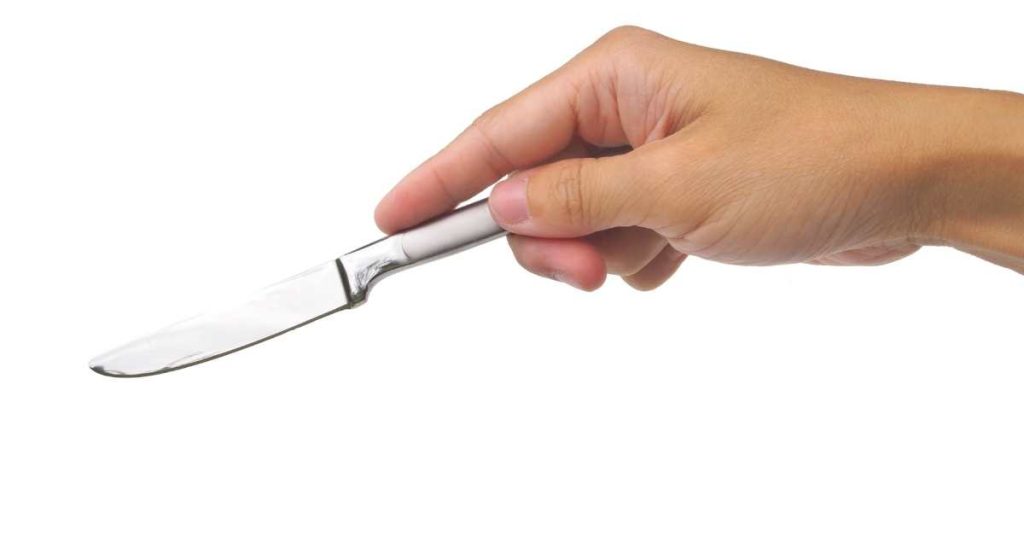
Hold the cake smoother at a slight angle against the cake surface. Keep your hand steady and apply consistent pressure while rotating the cake on a turntable.
Step 4: Rotate the Cake Smoothly
Instead of moving the smoother too much, rotate the cake slowly. This technique ensures even smoothing and prevents drag marks.
Step 5: Clean the Smoother Frequently
After each pass, clean off excess buttercream from the smoother. This prevents buildup and helps maintain a clean finish.
Achieving Sharp Edges with Buttercream
One of the biggest challenges in cake decorating is creating sharp edges. With the right technique and a good cake smoother, this becomes much easier.
After smoothing the sides, you will notice excess buttercream forming at the top edge. Use an offset spatula to gently pull the excess inward toward the center. Repeat this process around the entire cake until you achieve crisp, defined edges.
For best results, chill the cake slightly before final smoothing. A firmer buttercream surface is easier to refine and less prone to smudging.
Common Mistakes to Avoid
Even with the right tools, certain mistakes can prevent you from achieving a smooth buttercream finish. Being aware of these issues helps you improve your technique.
Applying Too Little Buttercream
If you do not apply enough frosting, the smoother will drag against the cake, creating uneven patches. Always use a generous amount and remove excess later.
Using Too Much Pressure
Excessive pressure can scrape off too much buttercream and expose the cake layers. Use gentle, consistent pressure for better control.
Skipping the Crumb Coat
Skipping the crumb coat leads to crumbs mixing into the final layer, ruining the smooth finish. Always take the time to prepare a proper base.
Not Using a Turntable
A turntable allows smooth and consistent rotation, which is essential for even smoothing. Without it, achieving a professional finish becomes much more difficult.
Best Buttercream Consistency for Smoothing
The consistency of your buttercream plays a crucial role in how well it can be smoothed. If it is too stiff, it will be difficult to spread. If it is too soft, it will not hold its shape.
The ideal buttercream should be soft enough to spread easily but firm enough to hold structure. It should glide smoothly under the cake smoother without sticking or tearing.
Temperature also matters. Buttercream that is too warm becomes greasy and hard to control. Slightly chilled buttercream works best for achieving clean lines and smooth surfaces.
Tools That Complement a Cake Smoother
While a cake smoother is essential, combining it with other tools enhances your overall results.
Offset Spatula
An offset spatula helps apply and distribute buttercream before smoothing. It is also useful for refining edges.
Turntable
A rotating turntable allows for smooth and consistent movement, making the smoothing process much easier.
Bench Scraper
A bench scraper can serve as an alternative to a cake smoother and is especially useful for taller cakes.
Piping Bags
Piping bags allow you to apply buttercream evenly, reducing the need for excessive spreading.
Advanced Techniques for Professional Results
Once you master the basics, you can explore advanced techniques to elevate your cake decorating skills.
Hot Smoother Technique
Dip your cake smoother in warm water and dry it before use. The slight warmth helps melt the outer layer of buttercream, creating an ultra-smooth finish.
Double Smoothing Method
Smooth the cake once, chill it, and then apply a thin second layer of buttercream. Smooth again for a flawless finish.
Acrylic Disc Method
Using acrylic discs allows you to achieve perfectly straight sides and sharp edges. This technique is widely used by professional bakers.
Maintaining and Cleaning Your Cake Smoother
Proper maintenance ensures your cake smoother remains effective over time. Always clean your smoother immediately after use to prevent buttercream from hardening on the surface.
For metal smoothers, avoid abrasive cleaning tools that can scratch the surface. For plastic and acrylic smoothers, handle them carefully to prevent warping or cracking.
Storing your tools in a clean, dry place also helps maintain their quality and longevity.
Choosing the Right Cake Smoother for Your Needs
Selecting the right cake smoother depends on your experience level and baking goals. Beginners may prefer lightweight plastic smoothers, while professionals often opt for metal or acrylic tools for better precision.
Consider the size of the cakes you usually bake. Larger cakes require longer smoothers for even coverage, while smaller cakes can be handled with compact tools.
If you are serious about improving your cake decorating skills, investing in a high-quality smoother is a worthwhile decision. You can explore more options and detailed reviews in this resource on cake smoother for buttercream, which highlights some of the best tools available.
How a Cake Smoother Elevates Your Baking Skills
Using a cake smoother is not just about aesthetics; it also improves your overall baking confidence. A smooth, professional-looking cake creates a strong impression and enhances the perceived quality of your work.
As you practice and refine your technique, you will notice significant improvements in your cake decorating skills. The ability to create clean lines and flawless finishes opens up new creative possibilities, allowing you to experiment with different designs and styles.
Final Thoughts on Perfecting Buttercream Cakes
Mastering the use of a cake smoother for buttercream is a game-changer for any baker. It transforms simple cakes into visually stunning creations and brings a professional touch to your work. With the right tools, proper technique, and consistent practice, achieving smooth and flawless buttercream cakes becomes an attainable goal.
By understanding the different types of smoothers, learning effective techniques, and avoiding common mistakes, you can take your cake decorating skills to the next level. Whether you bake for fun or professionally, a cake smoother is an indispensable tool that delivers impressive results every time.